/Thriveon_logo_IT.svg "Thriveon_logo_IT.svg")
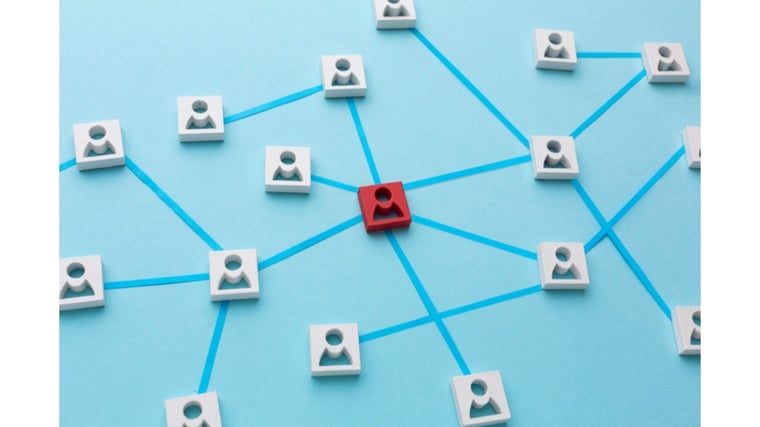
Cybersecurity threats are growing more sophisticated every year, and businesses can no longer rely on a “one-size-fits-all” network approach. Once attackers gain access to a flat, unrestricted network, they can move laterally across systems, accessing sensitive data, disrupting operations and increasing the scope of damage.
That’s where network segmentation comes in.
Network segmentation is one of the most effective strategies organizations can use to improve cybersecurity, strengthen overall resilience and gain greater control over their IT environments. It creates boundaries within your network that help contain threats, protect critical assets and improve overall network performance.
Read: IT Best Practices That Get Missed: Cybersecurity Basics
What Is Network Segmentation?
Network segmentation is the process of dividing a computer network into smaller, isolated sections or subnetworks. Each segment is separated based on function, user type, department, device category, security requirements or business needs. The ultimate goal of network segmentation is to minimize unnecessary access and reduce risk.
Instead of every user and device having unrestricted access across the entire network, segmentation limits communication between systems and controls how traffic flows. For example, a company may separate: employee workstations, financial systems, guest Wi-Fi, IoT devices, servers, data centers or remote user access.
Why Network Segmentation Is Important
Many businesses unknowingly operate on flat networks where users, applications and devices are broadly connected. Although this may seem convenient, it creates significant security vulnerabilities. For example, if a cyber criminal compromises one device, they may gain the ability to move freely throughout the entire environment. This lateral movement can allow ransomware, malware and other cyber attacks to spread quickly.
Network segmentation limits that exposure.
- Reduces the impact of cyber attacks: Segmentation acts as a containment strategy. If an attacker gains access to one network segment, they cannot automatically access every system in the organization. This limits the spread of cyber attacks and prevents attackers from easily reaching critical infrastructure or sensitive data. By isolating systems, businesses can significantly reduce the blast radius of an attack.
- Protects your sensitive data: Not all data is equal. Segmentation lets you build the proper level of protection around the right assets. Financial, HR and customer data can be isolated so that only authorized users and systems can access them.
- Improves compliance and data protection: Many industries have strict regulatory requirements regarding data access and protection. Network segmentation helps organizations comply with standards such as HIPAA, PCI DSS, CMMC, GDPR and SOC 2. By restricting access to sensitive systems and data, businesses can demonstrate stronger security controls and reduce compliance risks.
- Enhances network performance: Breaking a network into smaller sections can improve performance by reducing unnecessary traffic and congestion. Departments, applications and devices operate more efficiently when traffic is controlled and prioritized appropriately. This can lead to faster network speeds, improved application performance, reduced latency and better bandwidth management.
- Supports zero-trust security: Modern cybersecurity strategies increasingly rely on zero-trust principles, which is the idea that no user or device should be automatically trusted. Network segmentation is a foundational component of zero-trust because it enforces least-privilege access, identity-based controls, continuous verification and restricted lateral movement.
- Improves visibility and control: Segmented networks give IT teams greater visibility into traffic patterns, user activity and device communication. This makes it easier to detect suspicious behavior, monitor network activity, identify vulnerabilities, troubleshoot issues and apply targeted security policies. When businesses understand how data flows through their environment, they can make smarter security and operational decisions.
Common Types of Network Segmentation
Organizations can implement network segmentation in several ways, depending on their infrastructure, size and security needs.
- Virtual local area networks (VLAN): VLANs separate devices logically, even if they share the same physical infrastructure.
- Physical segmentation: Separate hardware and physical infrastructure to isolate critical systems completely.
- Microsegmentation: This more advanced approach creates highly granular security zones around workloads, applications or devices.
- Firewalls: Firewalls control what traffic can pass in and out of the network.
- Zero-trust security frameworks: Zero-trust treats every connection as untrusted until it has been verified – “never trust, always verify.”
Implement Network Segmentation with Thriveon
Strong cybersecurity is no longer optional. It’s a critical business requirement that directly impacts operations, reputation, customer trust and financial stability.
At Thriveon, we help organizations build proactive cybersecurity strategies that align with business goals to build smarter, more resilient IT environments. Our Fractional CIO can help reduce risk while improving business performance and efficiency.
If your organization is unsure whether its network is adequately protected, now is the time to evaluate your environment. Request a consultation with us today.